
Imagine running a business in today’s digital world where data is often more valuable than money. With the rise of AI, cloud services, and international online trade, safeguarding personal information has become a significant challenge.
At this stage, the General Data Protection Regulation (GDPR) takes effect. Even in 2025, it is still seen as the leading global rulebook for data privacy, shaping similar laws from California’s CCPA to Brazil’s LGPD.
But here’s the update, GDPR compliance is no longer about just filling out forms or checking boxes. In 2025, it’s about constant monitoring, automation, and earning customer trust at every step.
👉 Now let’s ask a quick question
Do you think manual checklists or one-time audits are enough to keep up with these rules?
The answer is no. Things have become too complex.
That’s why many businesses are turning to GDPR compliance software tools that automate tasks, simplify processes, and make privacy protection stronger.
In this article, you’ll look at the best GDPR compliance software in 2025, explore their main features, and explain why they matter so much for modern businesses.
How GDPR Compliance is Evolving in 2025
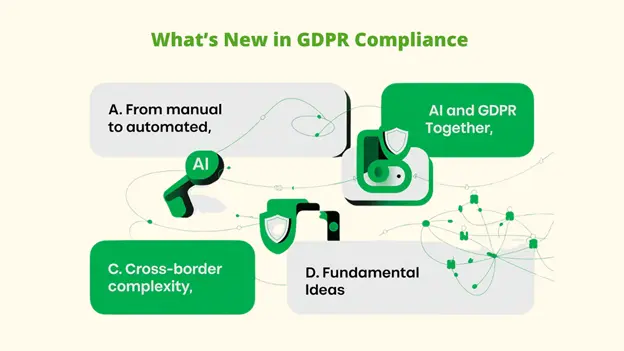
GDPR compliance in 2025 is not just a one-time task you tick off a checklist. So here it is :
A. From Manual to Automated
Instead of using spreadsheets and manual methods, businesses now rely on smart, automated systems powered by AI.
Real-time compliance monitoring is provided by these tools. For example, they can scan your website, find all cookies, and record user consent automatically making sure you meet privacy rules with the right tools, like Complyfi.
B. AI and GDPR Together
With AI and machine learning growing rapidly, companies face new responsibilities. It’s not just about protecting datait alsoaboutthey also need to design products with privacy built in from the start.
C. Cross-Border Complexity
Today, working remotely and using global SaaS technologies are common. However, because data is continuously traveling across borders, making sure that businesses comply with GDPR has become one of the most difficult tasks; therefore, you must be informed of and make the appropriate choices.
D. Fundamental Ideas
Principles like Privacy by Design and Accountability aren’t optional anymore, they’re essential. These values sit at the heart of modern GDPR compliance software.
Key Features of Top-Tier GDPR Compliance Software
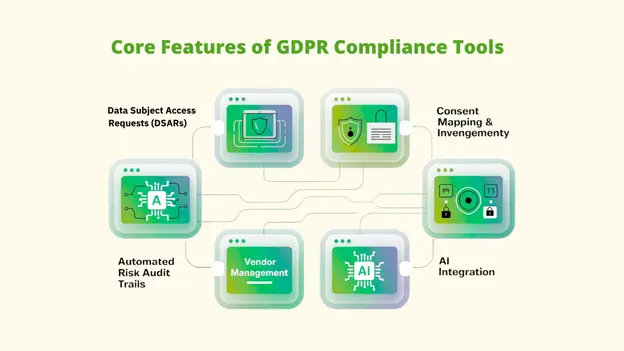
Leading GDPR compliance software in 2025 will offer a robust suite of features designed to streamline and automate compliance processes:
1. Data Subject Access Requests (DSARs)
Automated workflows for efficiently managing and responding to data access, rectification, erasure, and portability requests.
In these advanced systems, automated workflows, data is found across platforms, and secure portals are offered for user requests, turning manual, time-heavy tasks into fast and trackable processes
2. Data Mapping and Inventory
AI-driven platforms automatically detect and categorize personal data across cloud, on-prem, and SaaS systems. Real-time inventories adapt as data changes, giving privacy teams full visibility.
3. Consent Management Platforms (CMPs)
As you are aware, granular preference options, cookie scanning, and configurable banners are all features of the advanced CMPs. They also integrate with marketing platforms, balancing compliance with customer experience.
4. Vendor Risk Management
Leading features designed to assess the GDPR compliance software posture of third-party vendors and monitor their ongoing adherence to regulations.
5. Automated Audit Trails and Reporting
Continuous collection of evidence related to data processing activities, coupled with user-friendly tools to generate reports required for regulatory audits.
6. AI Integration
Privacy platforms now include AI governance modules to assess algorithmic risks, manage AI consent, and ensure transparency. Tools like Complyfi are especially helpful here, offering AI-first monitoring for smarter compliance.
Why GDPR Compliance Software is Essential
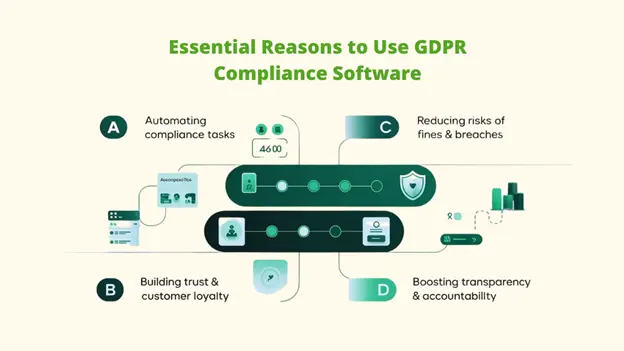
A. Automating Compliance Tasks
– Cuts down on manual work like tracking consent and handling breach alerts.
– Easier to manage GDPR compliance across different systems and countries.
– This GDPR compliance software handles routine tasks, so teams can spend more time on strategy.
– Reduces repetitive admin work for privacy teams.
B. Reducing Risks of Fines & Breaches
– Gives early alerts when there are possible privacy issues.
– Offers built-in breach detection and quick response tools, such as Complyfi.
– Non-compliance is expensive; fines can be as high as 4% of a company’s global revenue.
C. Building Trust & Customer Loyalty
– Converts robust privacy policies into a competitive advantage.
– Improves customer relationships with clear and honest data use.
– Helps create privacy-first business models that increase customer trust and loyalty.
D. Boosting Transparency & Accountability
– GDPR requires proof of compliance, not just promises.
– Advanced platforms keep full audit trails and generate detailed reports.
– Records of all privacy decisions are stored automatically.
– Strengthens trust with regulators, partners, and customers by showing clear accountability.
Top GDPR Compliance Software in 2025
All-in-One Privacy Platforms
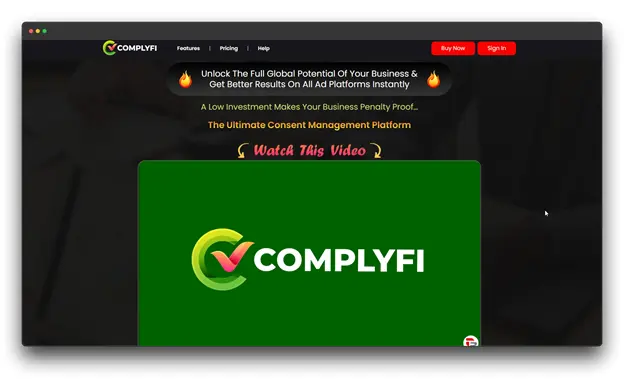
1. Complyfi
Complyfi is an all-in-one privacy management tool built for mid-sized and large businesses. It brings together automated data discovery, consent management, and privacy workflow automation into a single platform.
It also integrates with tools such as Google Consent Mode V2 and Microsoft Consent Mode, enabling businesses to enhance ad performance and analytics, particularly beneficial for retargeting campaigns.
Advantages
➕ All key features available in one platform
➕ Helpful customer support and onboarding
➕ Quick setup and fast return on value
➕ Affordable option for mid-sized companies
Disadvantages
➕ Limited integrations with third-party apps
Best For
Mid-market firms are looking for complete privacy management that is simple to use and execute.
Pricing Plan: $67 per month
2. OneTrust
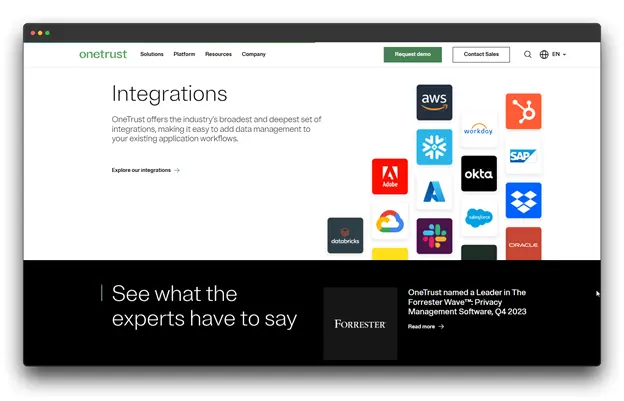
OneTrust is a prominent name in privacy management, providing a comprehensive Trust Intelligence Platform. It covers everything like privacy, risk, GDPR compliance, and governance. Include consent management, data mapping, vendor checks, and handling data breaches.
Advantages
➕ Works with many third-party tools
➕ Strong security and scalability for big businesses
➕ Offers training and professional services
➕ Regular updates and improvements
Disadvantages
➕ Setup can be complex and resource-heavy.
➕ Takes time to learn
➕ May feel overwhelming if you only need simple compliance
Best For
Big businesses with complex privacy requirements that demand enterprise-grade security, robust customization, and integrations.
Pricing Plan: Custom pricing (depends on business needs)
3. TrustArc
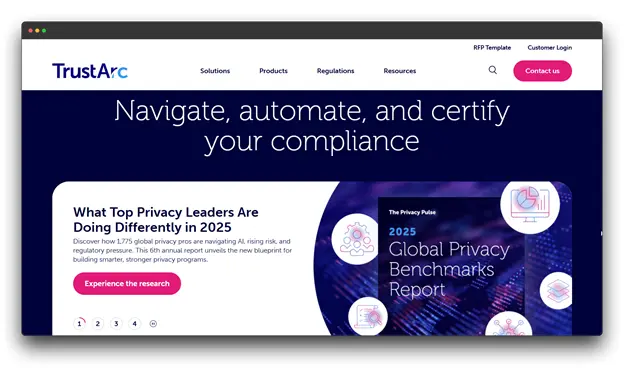
TrustArc provides an all-in-one privacy management platform by combining advanced technology with expert consulting and certification support. Its core focus is on risk-driven privacy practices, offering businesses powerful tools for assessments, monitoring, and detailed reporting.
Advantages
➕ Strong consulting and advisory services
➕ Risk-based approach to privacy management
➕ Excellent reporting and analytics capabilities
➕ Industry expertise and best practice guidance
➕ Flexible implementation options
Disadvantages
➕ Higher cost than pure-technology solutions
➕ Longer implementation timelines due to consulting approach
➕ Some users report interface complexity
➕ Less automation than competitors in certain areas
Best For
Organizations seeking strategic privacy guidance alongside technology and companies in regulated industries requiring expert advisory services.
Pricing Plan: Custom pricing (depends on business needs)
4. Ketch
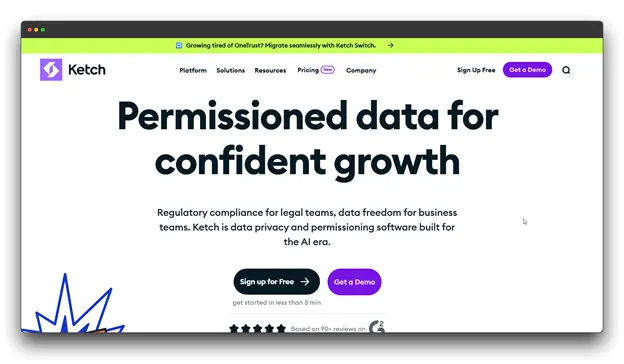
Ketch is a modern GDPR Compliance Software built with a developer-first mindset. It gives businesses APIs and tools that let them add privacy controls directly into their apps and customer experiences.
Instead of handling privacy separately, Ketch makes it part of the company’s technology setup, focusing on programmatic privacy.
Advantages
➕ Real-time privacy management
➕ Strong integration with other systems
➕ Forward-looking approach to privacy infrastructure
Disadvantages
➕ May not include all traditional GRC features
➕ Best fit for tech-driven companies
Best For
Tech businesses, companies with skilled development teams, and organizations that want to build privacy directly into their customer experiences.
Pricing Plan: $150 per month for moderate traffic support
Consent Management Platforms (CMPs)
5. Usercentrics
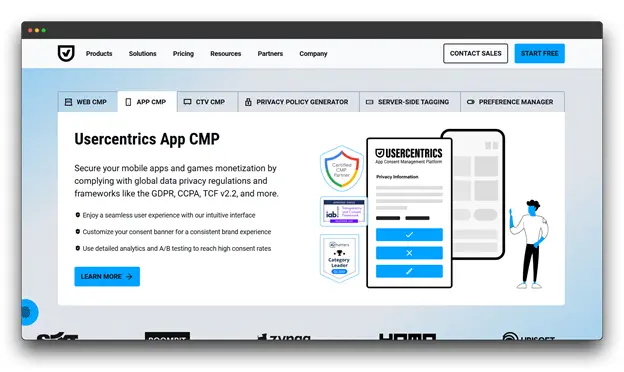
Another tool worth noting is Usercentrics, a leading Consent Management Platform (CMP) that focuses on cookie compliance and consent management. It also offers gdpr compliance, smart cookie scanning, flexible consent options, and support for multiple languages, making it useful for businesses that deal with complex consent needs across different regions.
Advantages
➕ Good coverage of cookie and tracking technologies
➕ Reliable support for global compliance requirements
➕ Simple, user-friendly consent interfaces
➕ Detailed analytics and reporting on consent data
Disadvantages
➕ Mainly focused on consent management, with limited extra features
➕ Needs to be combined with other privacy tools for full coverage
Best For
Strong cookie compliance and consent optimization are desired by organizations, particularly those that rely heavily on advertising technology and have high website traffic.
Pricing Plan: $30 per month for managing privacy compliance
6. CookieYes
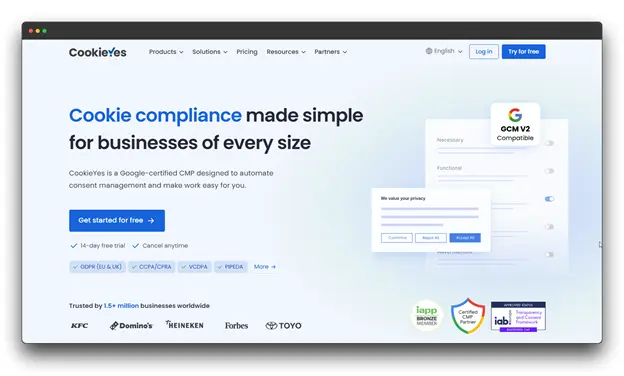
For websites of all sizes, cookieYes’s particular tool offers simple, affordable permission management solutions. This software offers automated cookie scanning, customizable consent banners, and integration with popular website platforms.
Advantages
➕ Works well with major website platforms
➕ Quick and helpful customer support
➕ Regular updates to match new privacy rules
➕ Good picks by mid-sized businesses
Disadvantages
➕ Fewer advanced features compared to enterprise tools
➕ Basic analytics options
➕ Limited customization for complex requirements
Best For
Businesses that are either small or moderate-sized need simple, inexpensive cookie compliance and consent management.
Pricing Plan: $55 per month for large enterprises with high traffic.
DSAR & Rights Automation
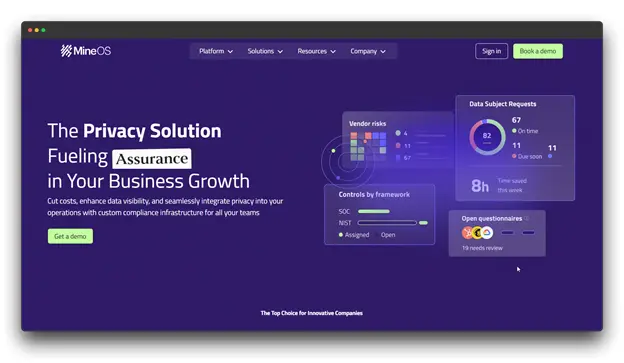
7. MineOS
With a major emphasis on unstructured data, MineOS is an AI-powered platform designed for data discovery and subject rights automation. It especially useful for companies that handle large amounts of knowledge work and complex data systems.
Advantages
➕ Advanced risk scoring and prioritization
➕ Detailed reporting and analytics
➕ Great support for complex data systems
➕ Strong integration with emails and collaboration tools
Disadvantages
➕ Needs technical expertise for setup
➕ Features for consent management are limited.
➕ Still a newer platform with developing features
Best For
Organizations that deal with large amounts of unstructured data and rely heavily on emails and collaboration platforms.
Pricing Plan: $30 per month for basic features; advanced features require custom pricing
Data Discovery/Mapping (Cloud & SaaS)
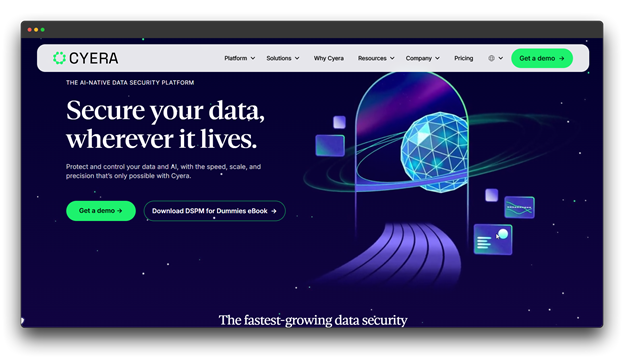
8. Cyera
Cyera is a cloud-based platform that helps businesses manage data security and privacy compliance.
Data discovery and security monitoring are all included in this gdpr compliance software to let enterprises see their sensitive data clearly and safeguard it in various cloud environments.
Advantages
➕ Strong mix of security and privacy features
➕ Real-time monitoring and instant alerts
➕ Wide coverage across major cloud providers (AWS, Azure, GCP)
➕ Clean, modern, and easy-to-use interface
Disadvantages
➕ Limited support for on-premises data discovery
➕ Still a newer platform with features developing over time
➕ Can be costly for full-scale implementations
Best For
Cloud-first organizations and companies that prioritize data security and privacy compliance.
Pricing Plan: Pricing is customized based on the bundle chosen.
Best Practices for Implementing GDPR Compliance Software
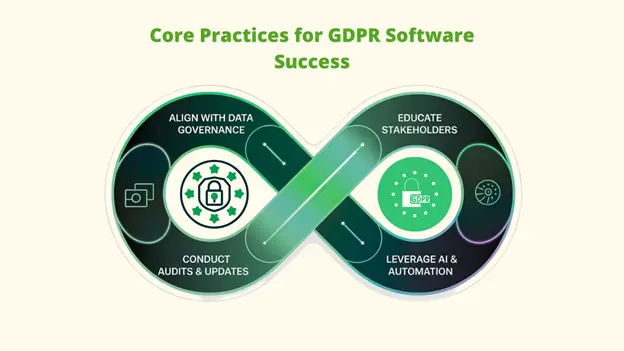
Putting GDPR compliance software in place is not only about picking the right tool. To make sure it works well and supports long-term compliance, follow these best practices:
A. Align with company-wide data governance strategies
To ensure that the GDPR compliance software works easily with your current data management rules and procedures. Tools like Complyfi help businesses unify governance frameworks and simplify compliance across departments.
B. Educate stakeholders and staff
Provide comprehensive training to your team so they understand how to use the software effectively and recognize its role in maintaining GDPR compliance.
C. Conduct regular audits and system updates
Keep an eye on performance with regular audits and update the system as needed to handle new rules and security risks. For example, the gdpr compliance software can scan websites automatically and use multilingual consent pop-ups to let visitors manage their preferences.
D. Leverage AI and automation to stay ahead
Utilize sophisticated capabilities like AI-driven insights and automated workflows to manage user consent for cookies and tracking, as well as proactively identify, prevent, and mitigate compliance problems.
Conclusion
In 2025, GDPR compliance software is no longer just about following rules it has become a strategic asset for businesses. The tools you explored in this guide show how advanced technology can turn compliance from a heavy task into a real advantage.
Some companies may need all-in-one privacy management, while others may focus on consent solutions or AI-driven data discovery. Whatever the need, these tools help make compliance easier while building customer trust.
For businesses wanting to take the lead, platforms like Complyfi stand out with features such as automated compliance tasks, customizable templates, and quick setup. But keep in mind, success isn’t just about choosing the best tool.
The real winners will be the businesses that treat privacy not as a hurdle but as a chance to earn trust, drive growth, and spark innovation. The best time to act is today, explore these tools, make privacy a strength, and take your next step toward smarter, automated compliance.